Our History
Our history
Welwick and Weeton are villages steeped in history, their past woven
with stories of resilience, faith, and remarkable individuals who have
left a lasting impact. From their connection to the infamous Gunpowder
Plot through the Wright brothers to the pioneering spirit of Mary
Ward, our villages have played a role in shaping both local and
national history.
Through triumph and turmoil, the people of Welwick and Weeton have
endured, their legacy carried forward through the generations. This
page is dedicated to exploring the rich heritage of our community,
celebrating the figures and events that define our past and continue
to inspire us today.
The Wright Brothers
and the Gunpowder Plot
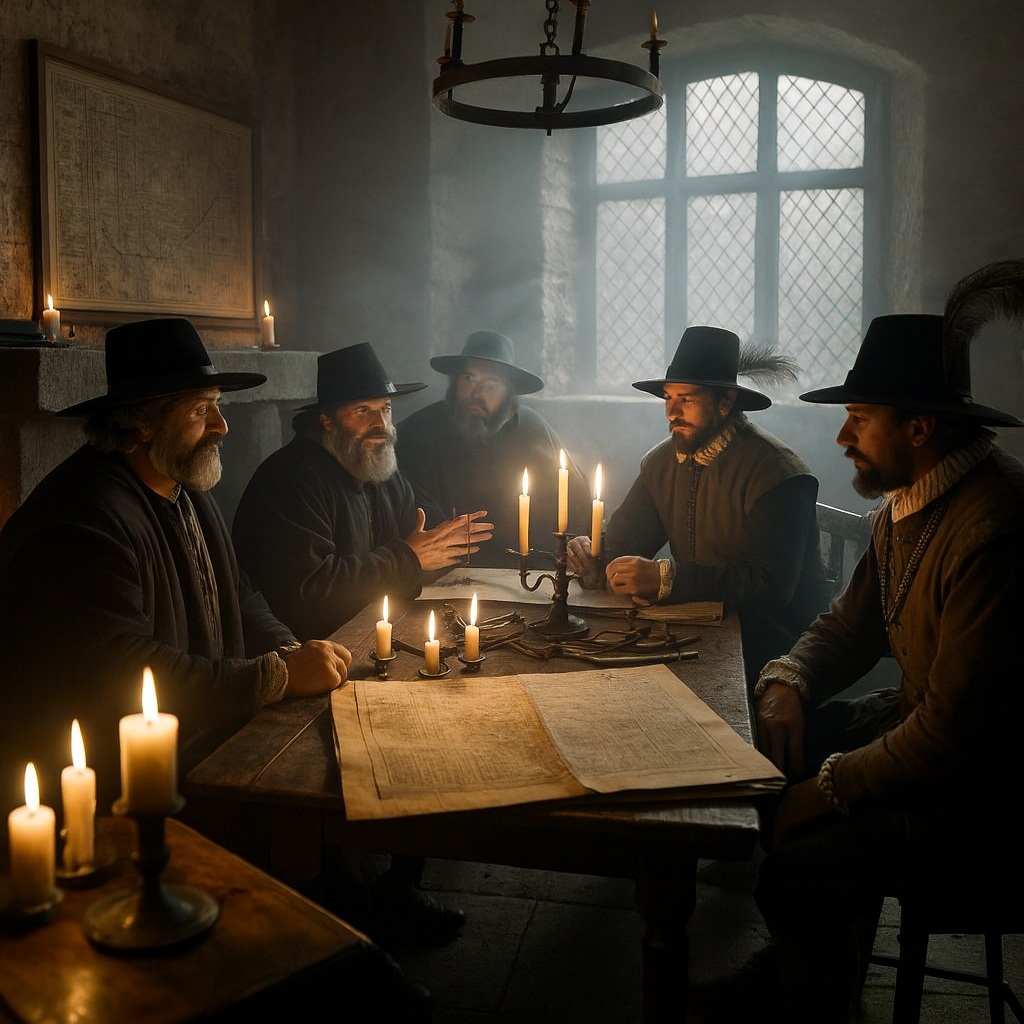
The flickering glow of candlelight cast long shadows across the worn
wooden beams of the small chamber. John and Christopher Wright sitting
opposite each other; their expressions serious as they discussed
their involvement in one of England's most infamous
conspiracies. Outside, the night was still, but within the heart of
England, unrest was growing - one that would shake the very
foundation of the realm.
Born in the quiet village of Welwick, East Riding of Yorkshire,
the Wright brothers grew up in a Catholic family during a time of
intense religious persecution. Their loyalty to their faith made
them natural allies to those who sought change. They were
well-educated and had connections to prominent recusant
families, leading them to associate with Robert Catesby, the
architect of the Gunpowder Plot.
The Gunpowder Plot was conceived as a response to the continued
oppression of Catholics under King James I. Led by Catesby, the
plan was to blow up the House of Lords on November 5, 1605, during
the State Opening of Parliament. The goal was to assassinate the
King and replace him with a Catholic monarch. John and Christopher
Wright played key roles - John was one of Catesby's most
trusted confidants, while Christopher acted as a messenger and
organizer.
The conspirators acquired a cellar beneath the House of Lords,
where they stored 36 barrels of gunpowder. John Wright, known for
his bravery and swordsmanship, was a key figure in securing the
materials and ensuring the secrecy of the plan. Guy Fawkes,
another conspirator, was left in charge of lighting the fuse.
However, the plot was betrayed. A letter warning Lord Monteagle of
the attack led to a search of the cellars, and on the night of
November 4, 1605, Fawkes was caught with the explosives. As word
of the failed plot spread, John and Christopher Wright fled
London, riding towards the Midlands with Catesby and others. They
reached Holbeche House in Staffordshire, where they attempted to
rally support.
On November 8, government forces surrounded Holbeche House. In the
ensuing gunfight, John and Christopher Wright were both shot and
killed alongside Catesby and Thomas Percy. Their bodies were later
exhumed, decapitated, and their heads displayed on spikes to serve
as a warning to others.
The Gunpowder Plot remains one of the most well-known events
in British history, and the Wright brothers' involvement
underscores the deep divisions of the time. Though their plan
failed, their story is a reminder of the tensions that shaped
England's religious and political landscape.
Mary Ward:
A Trailblazer from Welwick
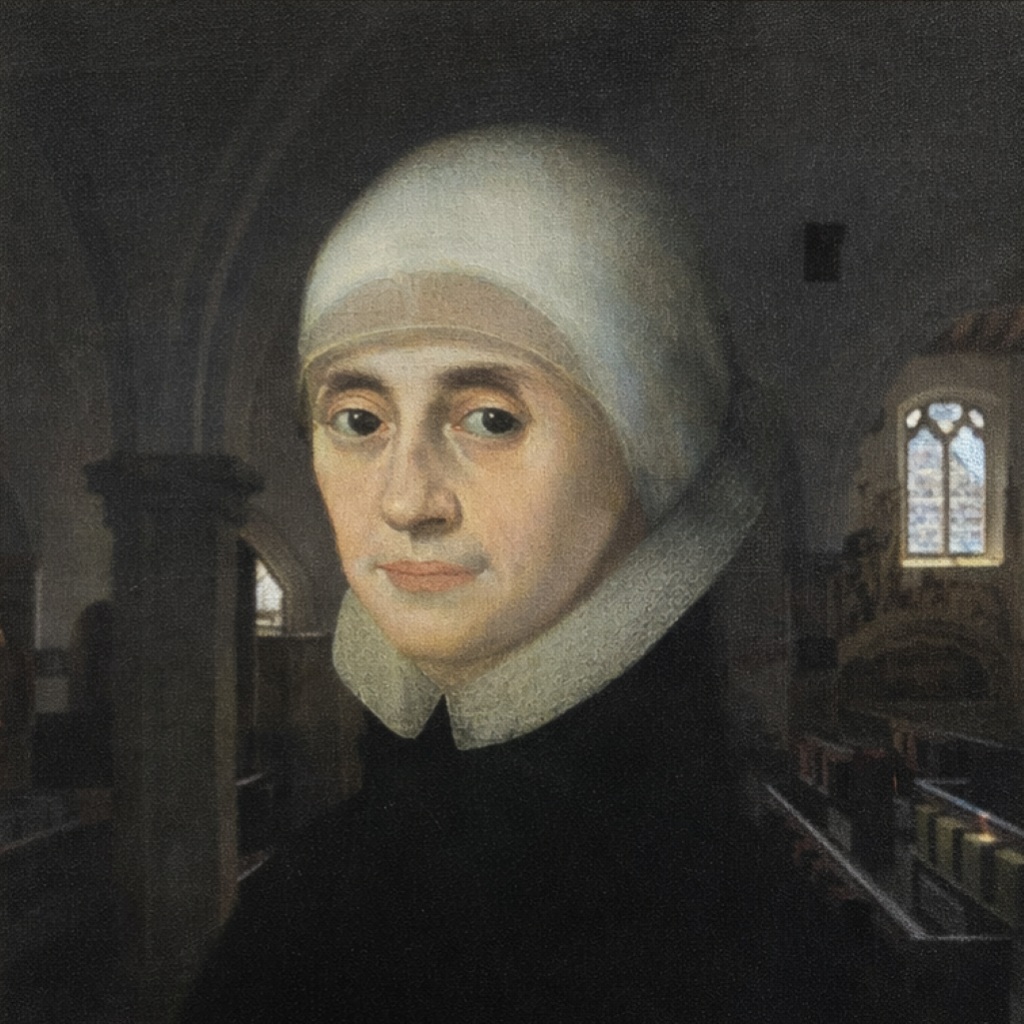
Nestled in the quiet countryside of East Riding of Yorkshire, the
village of Welwick holds a unique place in history. Among its
notable figures is Mary Ward, a pioneering woman of faith and
education who defied the conventions of her time to lay the
foundations for female religious communities and education
worldwide.
Born in 1585 into a devout Catholic family, Mary Ward grew up
during a time of religious turmoil in England. The Protestant
Reformation had led to severe persecution of Catholics, forcing
many to practice their faith in secrecy. From a young age, Mary
exhibited deep spiritual conviction and a determination to serve
her faith, undeterred by the risks associated with Catholicism in
Elizabethan England.
Rather than entering a traditional cloistered convent, Mary
envisioned a new form of religious life for women - one that
mirrored the work of the Jesuits, focusing on education and
missionary activities rather than isolation. She believed that
women could play an active role in society and sought to establish
communities dedicated to teaching and charitable works.
In 1609, she left England and travelled to St. Omer in
present-day France, where she founded her first school for
girls. Her vision expanded, leading to the establishment of
similar institutions across Europe, including in Rome, Munich, and
Vienna. Her schools emphasized a broad education for women, a
radical idea in an era when female education was often limited.
Despite her growing influence, Mary faced opposition from both
civil and religious authorities. The Church, wary of her
innovative approach, refused to recognize her order, and in 1631,
Pope Urban VIII suppressed her institute. She was briefly
imprisoned and forced to disband her communities, yet she remained
steadfast in her mission. Returning to England, she continued her
work discreetly, promoting Catholic education and supporting
persecuted Catholics.
Mary Ward died in 1645, largely unrecognized for her
contributions. However, her legacy endured. Over time, her vision
gained acceptance, and in the 19th century, her institute -
now known as the Congregation of Jesus and the Loreto Sisters
- received official papal approval. Today, her work continues
in educational institutions across the world.
Welwick, her birthplace, remains a testament to her courage and
determination. A woman far ahead of her time, Mary Ward's
influence continues to inspire, ensuring that education and faith
remain accessible to generations of young women across the
globe.