Places of Interest
Places of Interest
Welwick and Weeton is a parish rich in history and charm, offering a
variety of fascinating sites for visitors and residents alike. From
ancient landmarks and historical buildings to scenic countryside walks
and areas of natural beauty, there is much to explore and appreciate.
Whether you are drawn to the village's connection to the Gunpowder
Plot, intrigued by its religious heritage, or simply looking to enjoy
the peaceful landscapes that surround it, this page serves as a guide
to the places that make Welwick truly special. Discover the stories,
traditions, and hidden gems that define our community's unique
character.
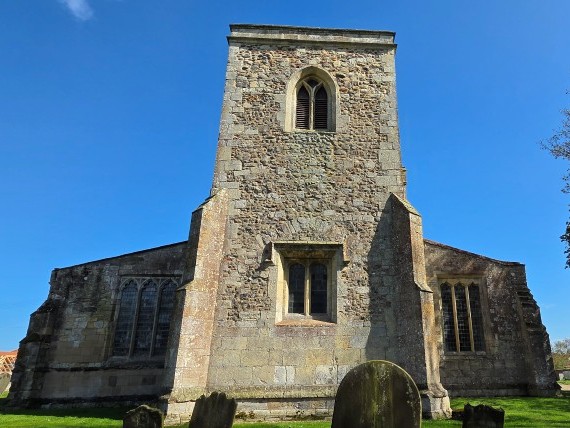
St. Mary's Church, Welwick
St. Mary's Church is a historic and picturesque parish church at the heart of Welwick. Dating back to the 12th century, this Grade I listed building showcases stunning medieval architecture, including its Norman doorway and elegant stained-glass windows. The church has long been a focal point of community life, offering a peaceful retreat for worshippers and visitors alike. With its beautiful stonework and tranquil churchyard, St. Mary's remains a cherished part of Welwick's heritage.
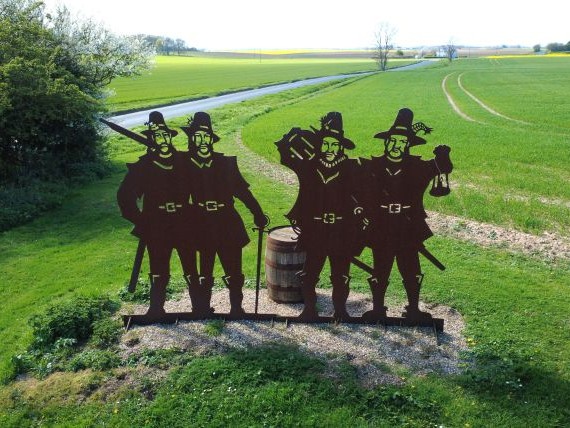
The Gunpowder Plot Monument
A unique historical landmark, the Gunpowder Plot Monument in Welwick commemorates the village's connection to the infamous 1605 conspiracy. John and Christopher Wright, two of the plotters, were born in Welwick, making this site a significant part of the area's history. The monument stands as a reminder of their role in one of England's most notorious events and serves as a fascinating point of interest for those keen to explore the past. Visitors can reflect on the turbulent history of the time while standing at the very place linked to one of Britain's most infamous plots.
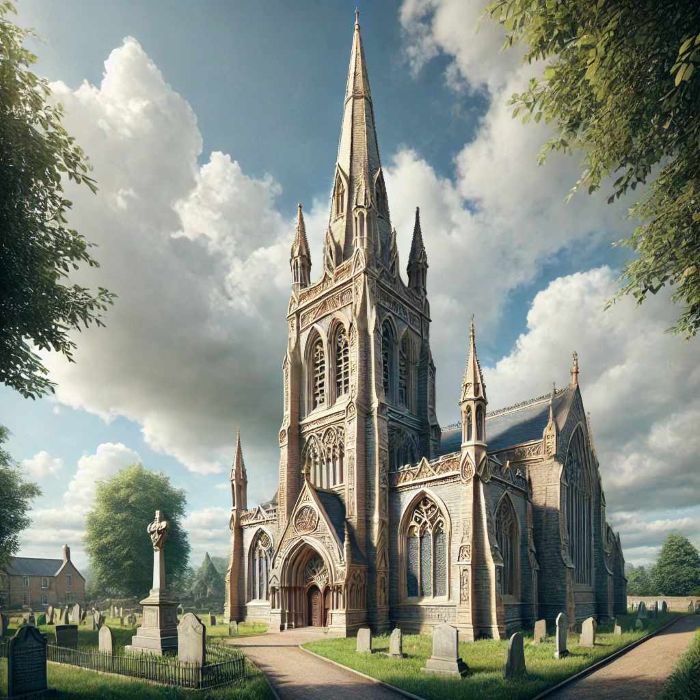
St. Patrick's Church, Patrington
Often referred to as the 'Queen of Holderness', St. Patrick's Church in Patrington is a magnificent example of 14th-century Gothic architecture. Its soaring spire dominates the skyline, while inside, visitors can admire exquisite medieval stone carvings, beautiful stained glass windows, and intricate wooden screens. As one of the finest churches in East Yorkshire, it remains a place of worship and an architectural gem worth exploring.
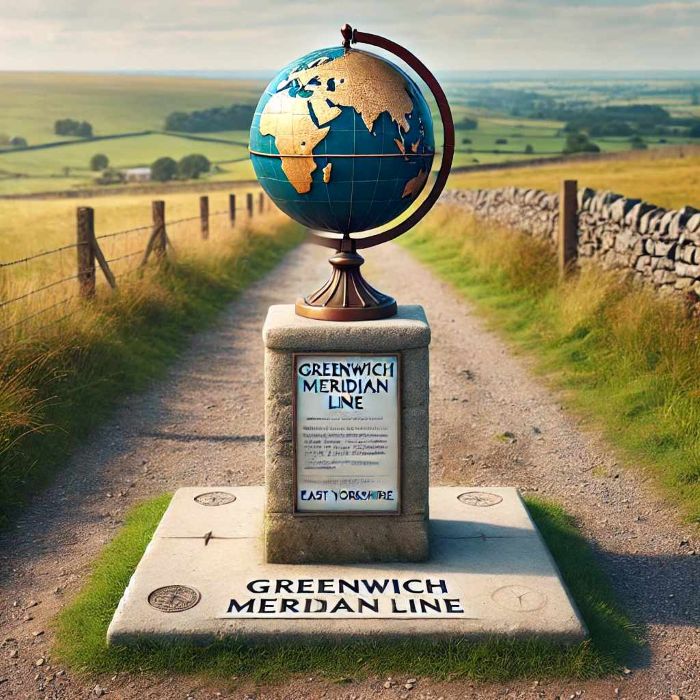
The Greenwich Meridian Line
Running through nearby villages, including Patrington and Tunstall, the Greenwich Meridian Line marks the division between the Eastern and Western Hemispheres. A small but significant geographic feature, it offers visitors a chance to literally stand in two hemispheres at once. Some local markers and signs commemorate this globally recognized longitudinal landmark, making it an interesting stop for those fascinated by geography and navigation.
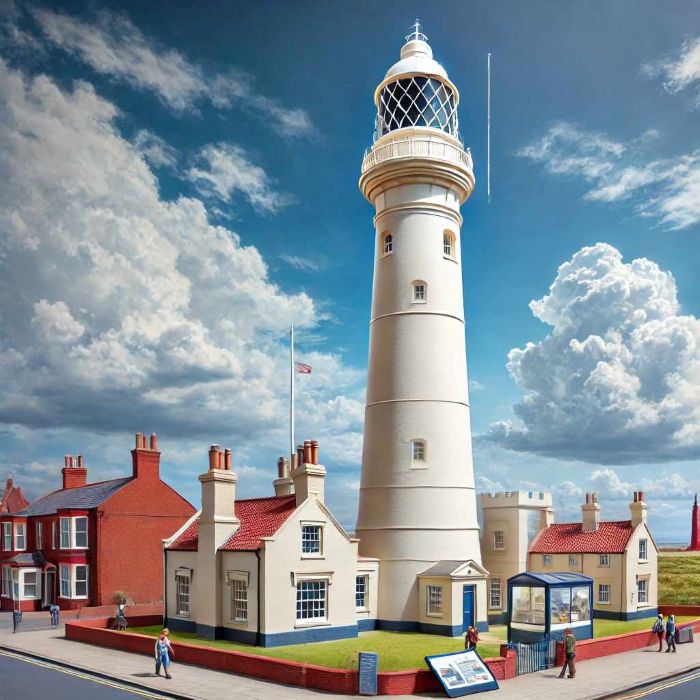
Withernsea Lighthouse
Standing tall in the heart of Withernsea, this inland lighthouse has been transformed into a fascinating museum dedicated to maritime history. Climbing to the top rewards visitors with breathtaking views of the Yorkshire coast and surrounding countryside. Inside, the museum showcases exhibits on local history, lifeboats, and the famous actress Kay Kendall, who was born in the town.
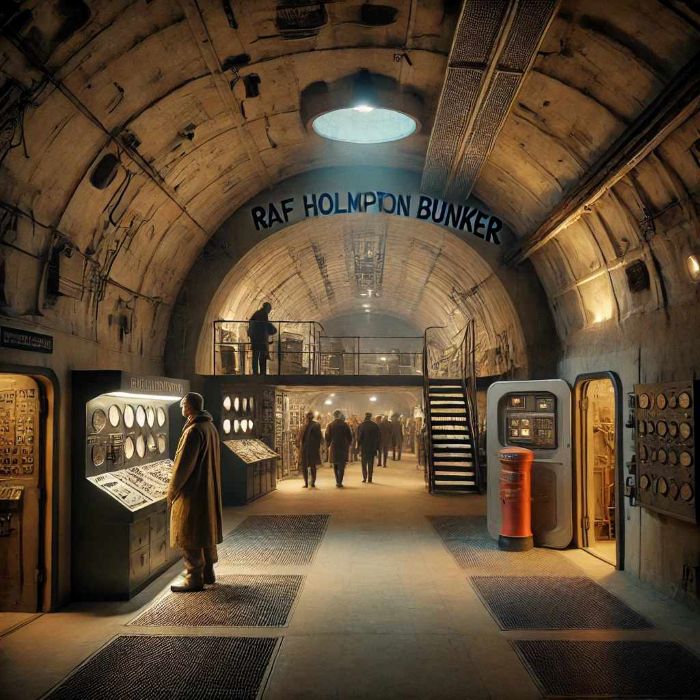
RAF Holmpton Bunker
Located near Withernsea, the RAF Holmpton Bunker offers a rare glimpse into Britain's Cold War defences. Built in the 1950s as a top-secret radar monitoring facility, the site later served as a key hub for nuclear threat detection. Today, the bunker is open to the public, allowing visitors to explore its extensive underground rooms, command centers, and decontamination areas. With guided tours revealing its classified past, the RAF Holmpton Bunker is a unique and eerie reminder of the tensions of the Cold War era.
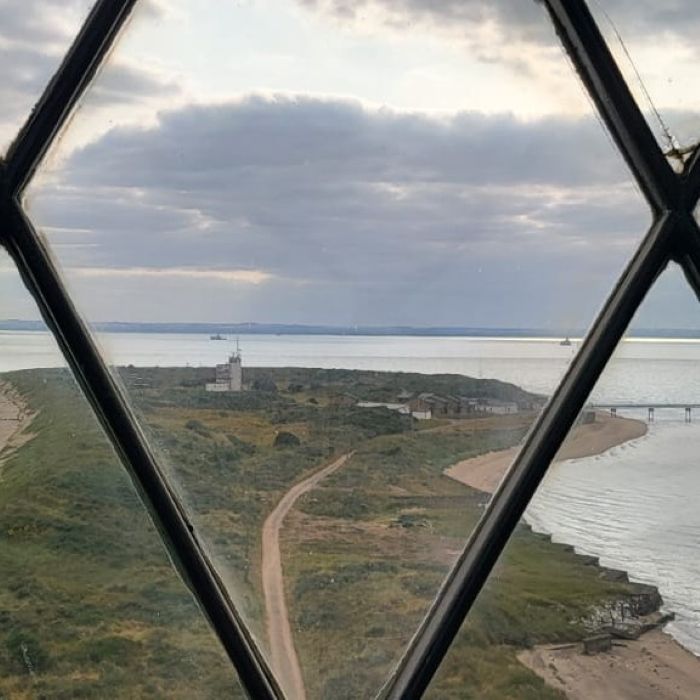
Spurn Point
A dramatic and ever-changing landscape, Spurn Point is a narrow sand and shingle spit extending into the Humber Estuary. This unique nature reserve is home to a variety of wildlife, including migrating birds, seals, and rare plant species. Visitors can explore the windswept dunes, enjoy panoramic views from Spurn Lighthouse, or learn about the area's history at the Spurn Discovery Centre. The remote beauty and ecological significance make it one of the most fascinating places to visit in East Yorkshire.
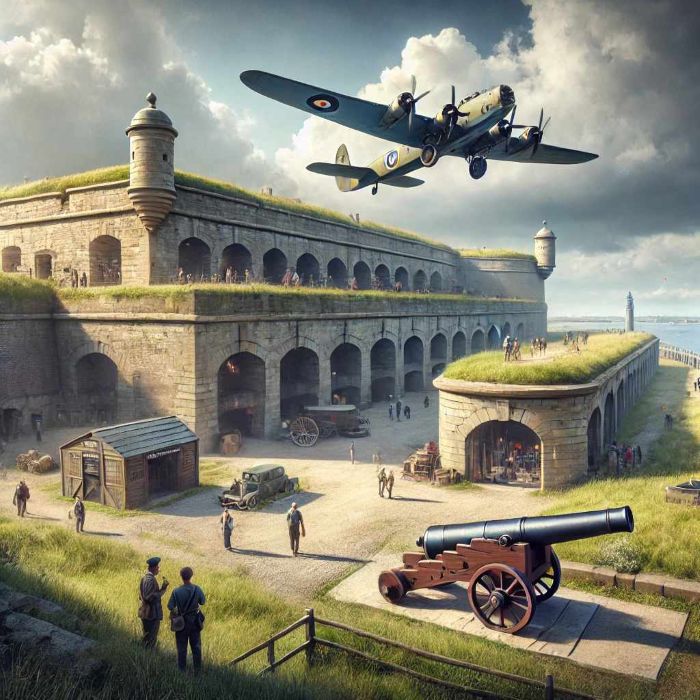
Fort Paull
Fort Paull is a fascinating and well-preserved Napoleonic fortress located near the Humber Estuary. Originally constructed in the 1860s as part of Britain's coastal defences, the fort later played a role in both World Wars. Visitors can explore underground bunkers and artillery placements. The fort's rich history makes it a must-visit destination for military history enthusiasts.
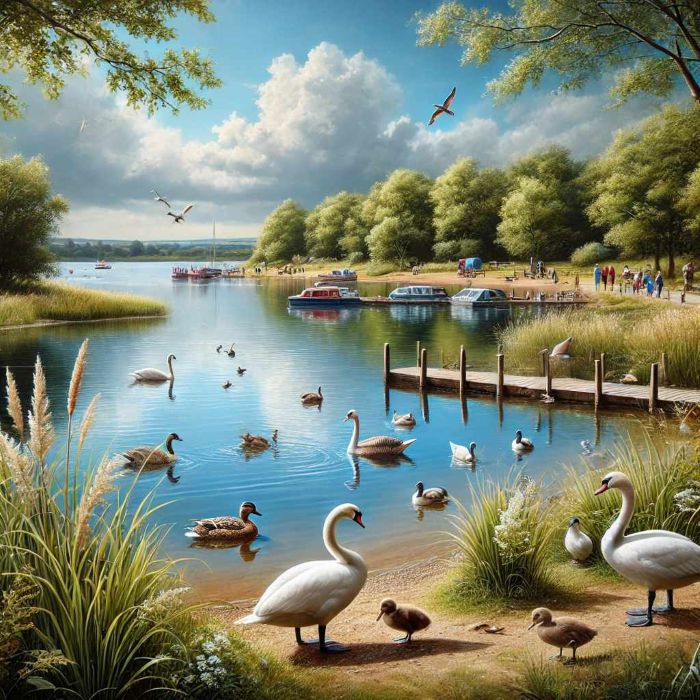
Hornsea Mere
As Yorkshire's largest freshwater lake, Hornsea Mere is a haven for nature lovers and outdoor enthusiasts. The mere is home to a wide variety of bird species, making it a prime location for birdwatching. Visitors can also enjoy sailing, rowing, and fishing, or simply take in the stunning natural surroundings. The nearby town of Hornsea offers further attractions, including coastal walks and local shops.
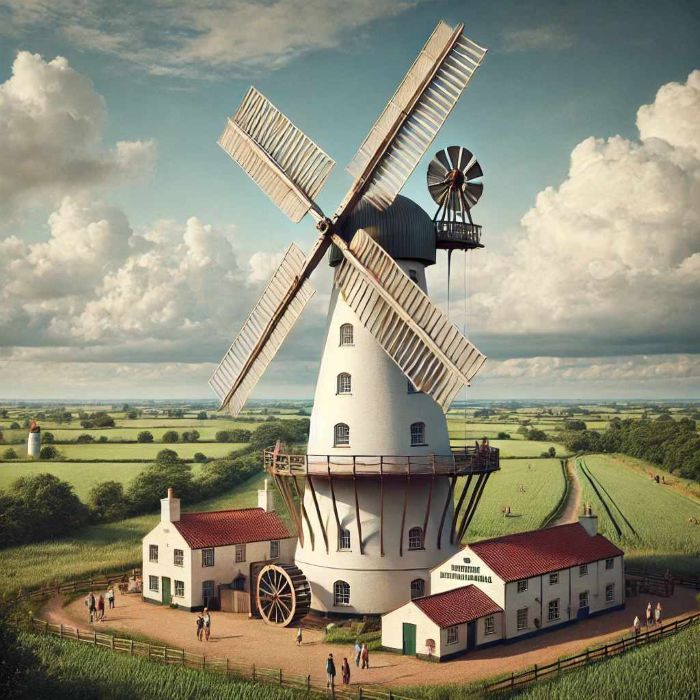
Skidby Windmill
Nestled in the village of Skidby, this beautifully restored 19th-century windmill is the last working windmill in East Yorkshire. It houses the Museum of East Riding Rural Life, which offers insight into the agricultural history of the region. Visitors can see the original milling machinery in action, explore historical exhibits, and enjoy the picturesque setting that surrounds this iconic landmark.
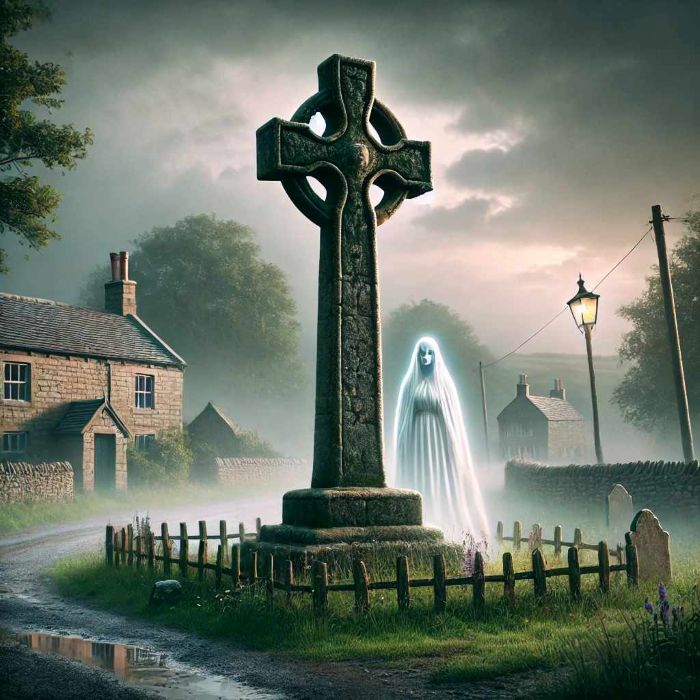
Atwick's Haunted Stone Cross
Located in the village of Atwick, approximately 20 miles northwest of Welwick, this ancient stone cross is reputedly haunted by a mysterious white lady. Local legends tell of her ghostly figure appearing near the cross, intriguing both locals and visitors.
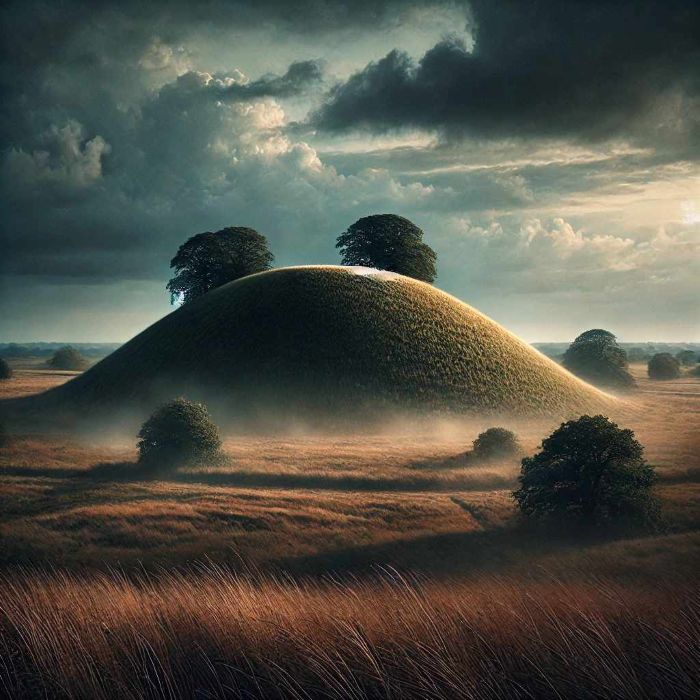
Willy Howe Burial Mound
Situated near the village of Wold Newton, about 25 miles north of Welwick, Willy Howe is a prehistoric burial mound shrouded in folklore. Stories suggest it is a fairy mound, and there have been reports of strange noises and lights emanating from the site, adding to its mystical reputation.